
8 min read
Custom Cabinets vs Big-Box Stock: A Windsor Buyer's Comparison
Compare custom cabinets with big-box stock for a Windsor or Essex County kitchen. Plywood boxes, soft-close hardware, finishes, warranty and lead times.
Walk into a big-box store in Windsor and you can leave with a kitchen cabinet plan the same afternoon. Walk into a custom supplier and you leave with measurements, a finish selection and a quote. Both routes put boxes and doors in your kitchen, but they are built differently, priced differently and they age differently. For a homeowner on a fixed timeline or a builder sourcing for a multi-unit project in Essex County, the right answer depends on which of those differences actually matters to you.
This comparison looks at what sits inside the cabinet, how the hardware holds up, what you get to choose, and what happens in year eight when a hinge sags or a door finish fades.
What "Custom" Actually Means in a Windsor Kitchen
Custom cabinetry means the boxes are built to the dimensions of your room rather than the room being adapted to standard sizes. A custom supplier works from your measurements and designs the run to fit, including the awkward parts: the bulkhead above the fridge, the wall that is not quite square in an older Walkerville home, the corner where a radiator or duct interrupts the counter.
Big-box stock cabinets come in standard widths and depths. Retailers also sell special-order lines that expand the palette and allow some configuration, and many offer free design consultations to help you lay out a kitchen. Those options are real and worth considering. The distinction is that special-order cabinets are still drawn from a manufacturer's catalogue of sizes, while custom cabinets start from your wall and work outward.
Box Construction: Plywood vs Particleboard
The single biggest difference between a custom cabinet and an off-the-shelf cabinet is usually hidden behind the doors. Custom cabinets from Windsor Materials and Retail Supply are built with plywood box construction. Many stock and entry-level cabinets use particleboard or MDF for the box, sometimes with a thin melamine or paper laminate finish.
Plywood holds screws better over repeated loading, resists swelling at the joints and stays dimensionally stable in a way particleboard does not. Particleboard is a legitimate material and it is used in plenty of kitchens that perform fine, but it is less forgiving of moisture and of the slow stress that comes from a drawer full of cast iron being opened and closed for a decade. Plywood also handles being cut, drilled and refastened during a renovation without crumbling at the edges.
Why moisture matters more in Essex County
Windsor and Essex County run humid in summer, and kitchens generate their own weather from the dishwasher, the sink and the kettle. Cabinets near a sink, under a microwave or beside a dishwasher see repeated small moisture events. A plywood box handles that better than a particleboard box, which tends to swell along an exposed edge and stay swollen. If your kitchen has a dishwasher that vents into the cabinet run, this is the detail to check before you sign anything.
Hardware: The Part You Touch Every Day
A cabinet is a box and a mechanism. The box you look at, the mechanism you use. Custom cabinets from our Windsor shop come with soft-close hardware as standard. That means drawers that glide shut and doors that do not slam, which matters in an open-plan kitchen where the living room hears every cupboard.
Stock cabinets vary widely here. Some include soft-close, some charge an upgrade per hinge and per drawer slide, and some ship with basic self-closing hardware that develops a rattle. Ask for the hardware specification in writing from either supplier, including the drawer slide rating and whether the hinges are adjustable. Adjustable hinges let you correct a door that has shifted after a winter of humidity cycling, which is a real benefit in this climate.
Finishes, Sizes and the Limits of a Catalogue
Custom cabinets from Windsor Materials and Retail Supply are available in 12 finishes, so the door style and colour can be matched to the floor, the countertop and the light in your specific room. That range matters most when you are trying to hit a particular tone, such as a warm white that reads correctly against quartz rather than going grey in north-facing light.
Big-box stock is limited to what is on the shelf or in the current catalogue cycle. Special-order programs widen the selection, and a big-box designer can help you coordinate colours. What you cannot usually get is a cabinet that is 41 inches wide because that is what the wall gives you. You get a 36 and a filler, or you move a doorway. That filler strip is often where a stock kitchen starts to look assembled rather than built.
Side-by-Side Comparison
| Feature | Custom cabinets (Windsor Materials and Retail Supply) | Big-box stock and special-order |
|---|---|---|
| Box construction | Plywood box construction | Often particleboard or MDF; varies by line, so confirm |
| Sizing | Built to your room's dimensions | Standard widths and depths, with fillers to close gaps |
| Hardware | Soft-close hardware included | Varies by line; sometimes an upgrade or not offered |
| Finish selection | 12 finishes | Current in-store and catalogue range |
| Warranty | Lifetime warranty | Set by each manufacturer; read the terms before ordering |
| Best suited to | Full kitchens, awkward layouts, long-term ownership | Rentals, quick refreshes, tight timelines, budget caps |
Lead Times and Renovation Sequencing
Stock cabinets can go home with you today or arrive in a short window, which is why they show up in rental turnovers, basement bars and quick sale preparations. Custom cabinets are built after the design is approved and the measurements are confirmed, so the lead time is longer. That lead time is the trade you make for a fit that does not depend on filler strips.
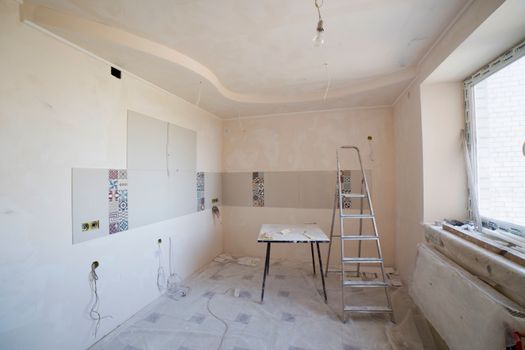
For a builder, the practical question is sequencing. Custom cabinets need confirmed measurements before production, which means the drywall and flooring schedule has to be settled first. If your project has a hard possession date, plan the cabinet order around it rather than assuming the cabinet supplier can compress the build. Stock gives you flexibility on dates and less flexibility on fit.
Warranty and the Long View
Custom cabinets from Windsor Materials and Retail Supply carry a lifetime warranty. That is the clearest signal of how long the manufacturer expects the product to stay in service. Big-box cabinets are backed by whatever warranty the specific manufacturer attaches to that line, and those terms differ from brand to brand, so read the document rather than the shelf tag.
Think about the ten-year picture. A stock kitchen that needs new hinges and a replaced cabinet bottom in year seven has not failed, but it has cost you again. A plywood box with soft-close hardware and a lifetime warranty is designed to be the last cabinet purchase for that wall. For homeowners planning to stay in their home, that math usually favours custom. For a property you will sell in three years, stock can be the rational choice.
When Big-Box Stock Makes Sense
Stock cabinets are the right call in more situations than cabinet salespeople sometimes admit. Choose stock when you are refreshing a laundry room or garage, when the budget has a hard ceiling that custom cannot meet, when the space already fits standard sizes with little waste, or when you need cabinets installed before a firm deadline that custom production cannot hit. Buy the best box material and hardware you can afford within that line.
When Custom Cabinets Are Worth the Difference
Custom cabinets earn their cost in a full kitchen renovation, a bathroom vanity that has to fit between two walls, a closet system built around a specific layout, or any room where you plan to stay. They also make sense when the layout is unusual, when you want a finish that has to match something existing, or when you are building for a client who will inspect the inside of the drawers.
If you are weighing custom cabinets for a Windsor or Essex County project, the useful next step is a measured quote rather than a showroom estimate. Bring your rough dimensions, your appliance sizes and your finish preference, and ask for the box material, the hardware specification and the warranty terms in writing so you can compare like with like.
Frequently Asked Questions
Are custom cabinets worth the extra cost over stock?
They are worth it when the cabinets are staying with you and the room does not fit standard sizes. Plywood box construction, soft-close hardware, 12 finishes and a lifetime warranty are long-term value. For a rental turnover or a short-hold property, stock cabinets often make more financial sense because the durability advantage will not be realized.
How do I know if a cabinet box is plywood or particleboard?
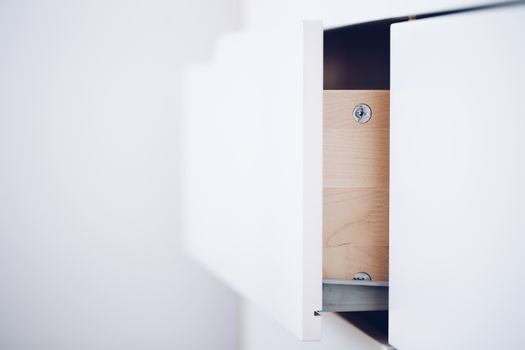
Ask the supplier directly and get it in writing on the quote. You can also look inside a drawer or an open cabinet at an unfinished edge. Plywood shows visible layers of wood veneer stacked together. Particleboard looks like compressed wood chips or fibres with a uniform, grainless surface, and it swells noticeably when an edge gets wet.
Do custom cabinets take longer to arrive?
Yes, generally. Custom cabinets are built after the design is approved and measurements are confirmed, so production takes longer than pulling stock from a shelf. That is why the schedule matters. Confirm the measurement date and the delivery window before demolition starts, so the cabinets land when the room is ready for them.
Can custom cabinets fit an older Windsor home with uneven walls?
That is one of the strongest reasons to choose custom in this region. Older homes often have out-of-square corners, sloped floors and walls that bow. Custom cabinets are built to the measurements taken on site, so the run follows the wall instead of leaving gaps that need wide filler strips or trim to hide.
What should I ask before choosing between custom and stock?
Ask what the box is made of, whether soft-close hardware is included or an upgrade, how many finishes are available, and what the warranty covers and for how long. Ask what happens if a door or hinge fails. Get all four answers in writing from each supplier, then compare on the same terms.