
8 min read
Plywood vs Particleboard Cabinets for Windsor Homes
Plywood vs particleboard cabinets compared for Windsor homeowners: strength, moisture, screw hold, cost and lifespan, plus what to ask before you buy.
Walk through any cabinet showroom in Windsor and the displays look similar from the aisle: painted doors, woodgrain finishes, hinges that glide shut. The difference that matters over the next twenty years is hidden inside the box, the structure that carries the drawers, the shelves and the weight of everything you store. Two materials do most of that work in Ontario kitchens, plywood and particleboard, and they look identical with the doors closed.
What separates them is how each one handles water, fasteners and load. That difference shows up in a quote, in a leaking dishwasher, and in how tight your hinges still feel a decade from now.
The Cabinet Box Is the Part You Actually Live With
Doors are what you look at. Boxes are what you live with, and the box is the one part of a kitchen that never makes it into the brochure photo. It is the frame the cabinet is built around, and its material decides how the unit behaves when the room gets humid, when a screw has to come out and go back in, and when a heavy stack of plates sits on a shelf for years.
Three materials make almost every cabinet box sold in Ontario: plywood, MDF and particleboard. This comparison focuses on plywood and particleboard because those are the two most often weighed against each other on price, and the two homeowners ask about most.
Plywood vs Particleboard at a Glance
| What you are comparing | Plywood box | Particleboard box |
|---|---|---|
| Strength and rigidity | Typically stronger and more rigid | Strong enough for standard kitchen use when the design suits it |
| Behaviour around water | Gets wet, dries, and is still plywood | Takes water at the unsealed edge |
| Holding a screw | Handles hardware and repeat installation well | Holds a screw once; a second attempt is less reliable |
| Weight | Lighter and more versatile to work with | Heavier panel |
| Upfront cost | Higher | Typically 10 to 20 percent less than comparable all-plywood cabinets |
| Expected service life | All-plywood construction is often cited at 20 to 30 years | Not as durable as plywood, and can cost more over time |
The table covers the specs. The rest of the decision comes down to how each material behaves in a working kitchen rather than a showroom.
Strength, Rigidity and Everyday Load
Plywood is typically stronger and more rigid. That matters in wide drawers loaded with pots, in pantry shelves holding canned goods, and anywhere the panel spans a distance without a support in the middle. A stiffer box keeps the cabinet square, which keeps the doors aligned and the drawers running smoothly.
Particleboard is strong enough for standard kitchen use. It performs best when the design and construction are matched to the material, meaning reasonable shelf spans, proper support and hardware that suits the panel. Ask how a cabinet is built before you assume the material alone decides whether it holds up.
Moisture: The Test That Decides Most Cabinets
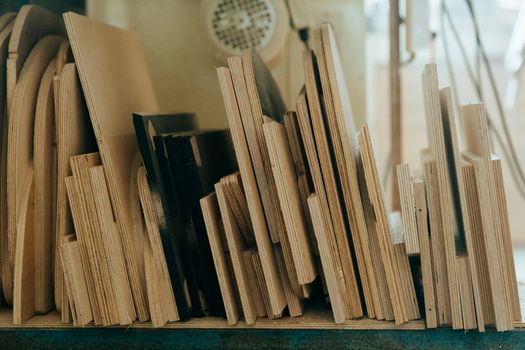
Kitchens and bathrooms are the wettest rooms in a house, and cabinets live with steam, splashes and the occasional slow leak. Plywood is more water resistant, and its behaviour after a spill is the clearest difference between the two materials. Plywood gets wet, dries and is still plywood. Particleboard takes water at the unsealed edge, and that edge is where the damage starts.
Picture a dishwasher that drips quietly for a month or a supply line under the sink with a slow weep. The panel that swells and crumbles at the edge is the one that ends a cabinet's life early, even when the doors and finish still look fine. This is why moisture resistance matters more in a kitchen or bathroom than almost any other room in the home.
Screws, Hinges and Hardware That Stays Tight
Particleboard holds a screw once. Take that screw out and drive it back in, and the grip is no longer what it was. Plywood handles repeated fastening far better, which matters every time a hinge is adjusted, a drawer slide is replaced, or a cabinet is taken down and reinstalled during a renovation.
Hardware takes a beating in a busy household. Cabinet doors get opened dozens of times a day, and drawer slides carry constant weight. A box that holds its fasteners keeps soft-close hinges and slides working the way they were designed to, without the wobble that shows up when screw holes start to strip.
The Price Gap and the Long Game
Particleboard cabinets typically cost 10 to 20 percent less than comparable all-plywood cabinets. That is a real saving on a full kitchen, and it is the reason particleboard remains common in production cabinetry. The catch sits in the lifespan. All-plywood construction is often cited at 20 to 30 years of service, while particleboard is not as durable as plywood and may be slightly less expensive up front while costing more in the end.
Cabinet makers tend to give the same advice: use plywood if your budget allows. It costs a bit more, and it is lighter, more versatile and more forgiving over the life of the kitchen. The upfront gap is easiest to judge when you compare it against how long you plan to stay in the home and how hard the kitchen will be used.

Why Windsor and Essex County Kitchens Work Cabinets Harder
Homes in this region see real swings in humidity across the year, and cabinet boxes feel every one of them. Add a busy family kitchen with a dishwasher, a sink, a kettle and a bathroom vanity on the other side of the wall, and the panels are exposed to moisture regularly rather than occasionally.
That makes edge sealing and box material worth asking about directly. A sealed edge slows water down. A plywood box gives you more margin for error when water finds its way in anyway. For bathroom vanities, the same logic applies with even less room to absorb a mistake.
Where MDF Fits In
MDF is the third material that turns up inside cabinet boxes sold in Ontario, and it has its own trade-offs around moisture and weight. The practical point for a buyer is simpler: a cabinet quote should name the box material, not just the door style and finish. If the material is not stated, ask. If the answer is vague, ask again until you have a specific answer you can compare across quotes.
Questions to Ask Before You Approve a Cabinet Quote
- What material is the cabinet box built from, and is it plywood throughout or only on certain panels?
- How are the exposed edges finished or sealed, particularly around the sink and dishwasher?
- What hardware is included, and does it carry its own warranty?
- What does the cabinet warranty actually cover, and for how long?
- What does the price look like if the box is upgraded to plywood?
- How does the layout handle load, meaning shelf spans, drawer widths and support?
Getting those answers in writing makes it possible to compare two quotes on something other than the bottom line. A lower number with an unsealed particleboard box is not the same product as a plywood box with sealed edges and quality hardware.
What This Means for Your Renovation
For a kitchen or bathroom you plan to keep, plywood box construction is the safer choice. It resists moisture better, holds hardware longer and is typically built to last decades rather than a single renovation cycle. Particleboard can still make sense for a tight budget, a rental unit or a short-term plan, as long as you understand where it is likely to fail first and keep an eye on the edges near water.
Windsor Materials and Retail Supply builds custom kitchen cabinets with plywood box construction, soft-close hardware, 12 finishes and a lifetime warranty, and supplies bathroom vanities, quartz countertops, closet systems and flooring to homeowners and builders across Windsor and Essex County. If you are weighing cabinet options for an upcoming project, request a free custom quote and ask specifically about the box material, the edge sealing and the hardware so the comparison is apples to apples.
Frequently Asked Questions
Is plywood really worth the extra cost for cabinets?
In most kitchens, yes. Plywood is stronger, more rigid and more water resistant than particleboard, and it holds screws through repeated adjustment and reinstallation. It costs a bit more up front, but all-plywood construction is often cited at 20 to 30 years of service, which usually outweighs the initial saving on a kitchen you plan to keep.
Where do particleboard cabinets fail first?
The unsealed edge is the weak point. Particleboard takes water there, and a slow leak under the sink or a dripping dishwasher can swell and crumble the panel even while the doors and finish still look fine. Screw holes are the second weak spot, since particleboard holds a screw once and grips less firmly after that.
Can particleboard cabinets work in a rental or budget kitchen?
They can. Particleboard cabinets typically cost 10 to 20 percent less than comparable all-plywood cabinets, and the material is strong enough for standard kitchen use when the design and construction suit it. The trade-off is a shorter service life and less tolerance for moisture, so watch the areas around the sink and dishwasher.
Does the door material matter as much as the box?
Both matter, but they do different jobs. The doors and finish set the look of the kitchen, while the box carries the load, holds the hardware and absorbs any moisture that gets in. A beautiful door on a weak box still gives you a cabinet that loosens and swells, so ask about both.
How do I compare two cabinet quotes fairly?
Ask each supplier to state the box material, the edge sealing, the hardware brand and the warranty terms in writing. Then compare the upgraded plywood price against the standard quote. Two quotes only become comparable once the material and construction behind the doors are spelled out in the same terms.