
9 min read
Custom Cabinets vs IKEA Kitchen Boxes: When to Switch
IKEA-style boxes suit many kitchens, but not every layout. Learn when custom cabinets make more sense than upgrading stock kitchen boxes.
An IKEA kitchen is an honest starting point. The boxes are predictable, the planning tools are free, and the fronts come in enough styles that most rooms can look finished without a single custom order. That is why so many Windsor and Essex County homeowners begin with a modular system and then start asking a harder question a few weeks later: is it the box itself that needs to change, or just the face of it?
The answer depends less on brand loyalty and more on your layout, your moisture exposure, and how long you plan to stay. Sometimes a new set of doors does everything you need. Other times the stock box is the wrong shape for the room, and no amount of custom fronts will fix a cabinet that cannot hold a heavy pull-out or sit flush against a wall that is out of square.
Why IKEA-Style Boxes Are a Legitimate Starting Point
The Sektion line is built around variety rather than perfection. Wall cabinets come in different heights, widths and shapes, so a room with an awkward corner or a short wall above a sink can usually be filled with something off the shelf. Fronts are sold separately from the boxes, and the range covers high-gloss, modern and rustic looks, with solid wood options in the mix. A free kitchen planner lets you build a proposal from your own floor plan, and you can book a planning appointment with a designer if you would rather not do it alone.
That flexibility is real. It is also the reason the same question keeps coming up in renovation groups and forums: people install a modular kitchen, then look for someone to customise it because one section does not behave the way they expected. The system gets you 80 percent of the way there, and the last 20 percent is where the decisions get expensive.
Where the Stock Box Stops Working
The box is the part nobody photographs. It carries the load, sets the depth, and determines whether the cabinet stays square after a few humid summers. Fronts get all the attention, but a door is only as good as the carcass behind it. When the carcass is built from a thin engineered panel and sits in a room with a dishwasher venting into it, the finish will eventually show the strain, no matter how good the door looks on day one.
Custom cabinets from Windsor Materials and Retail Supply use plywood box construction, soft-close hardware and a choice of 12 finishes, backed by a lifetime warranty. Plywood holds screws better through repeated opening and closing, and it tolerates moisture swings with more composure than the lighter panels used in many flat-pack systems. For a kitchen that will see two decades of family traffic, that difference is the whole argument.
Five Signs Custom Boxes Make More Sense
The room will not fit the grid
Modular systems are built around fixed widths. When your wall measures out at a number that no combination of boxes can fill cleanly, you end up with filler strips, dead corners or a gap that a trim piece has to hide. A custom box is cut to the room. If your kitchen has an old chimney breast, a sloped ceiling or a window that sits off centre, that alone can justify the switch.
The cabinets sit in a wet or humid zone
Kitchens and bathrooms in this region deal with humid summers and dry winters, and the cabinets near a sink, dishwasher or exterior door take the brunt of it. Plywood construction handles that cycle better than a particleboard core. If the cabinet run is next to a shower or in a basement kitchen, moisture resistance should outrank price on your list.
You want non-standard depths or heights
Stock wall cabinets come in a set menu of sizes. If you want a shallower upper over a sink so you can lean in, a deeper pantry, or a cabinet that reaches the ceiling without a gap, those dimensions have to be built. Custom boxes let you set the depth line across the whole run instead of designing around what exists.
You are hanging heavy fronts or integrated appliances
Oversized doors, integrated appliance panels and large drawer stacks add weight that the hinges and the box both have to carry. Plywood takes fasteners and holds them. A cabinet box that flexes under load will eventually show it at the hinges, and that is a repair you cannot easily hide.
This is the last kitchen you plan to build
If you are renovating for the long term, the box is the part of the kitchen that never gets replaced. Doors can be swapped, hardware can be updated, paint can change. A solid carcass with a lifetime warranty means future refreshes stay cosmetic. Homeowners planning to move in three years may weigh that differently, and that is fair.
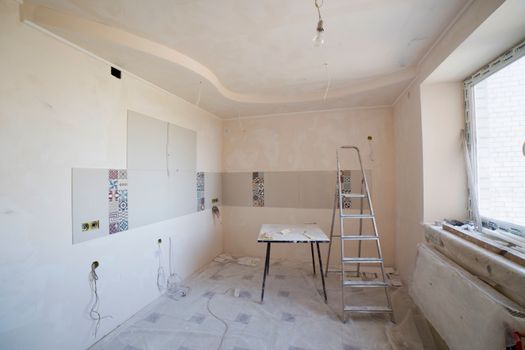
Comparing IKEA-Style Boxes and Custom Boxes
The two options are not really competing on the same ground. One wins on speed, predictability and planning support. The other wins on fit, material and the ability to solve a specific room. Here is the honest side-by-side.
| What to compare | IKEA-style system | Custom cabinet boxes |
|---|---|---|
| Dimensions | Set heights, widths and shapes; combinations come from the catalogue | Built to the room, including non-standard widths and depths |
| Box material | Engineered panels typical of flat-pack systems; check the spec sheet for each series | Plywood box construction |
| Fronts | Sold separately, with high-gloss, modern and rustic looks plus solid wood options | 12 finishes ordered with the box so doors, panels and trim match |
| Hardware | Specified per series; confirm drawer and hinge ratings before ordering | Soft-close hardware included |
| Warranty | Varies by product line; read the terms for your series | Lifetime warranty |
| Best fit | Standard layouts, tight timelines, DIY installations | Awkward rooms, moisture zones, long-term builds |
One practical note: the numbers in a cabinet quote are rarely comparable at first glance. Ask each supplier whether the price includes fronts, hardware, filler panels, toe kick and delivery, and what the warranty covers.
The Hybrid Route: Standard Boxes, Custom Fronts
There is a middle path that gets skipped in most conversations. Many homeowners keep the stock boxes and order custom doors and drawer fronts instead. It is a well-documented approach. Renovators have written step-by-step guides on installing IKEA cabinets with custom fronts, and one family renovation went further, pairing a modular system with a considered layout, warm wood tones and a waterfall countertop to make the result look nothing like the catalogue.
Custom fronts make sense when the boxes already fit the room, the layout works, and the only real complaint is that the kitchen looks like everyone else's. They do not make sense when the problem is structural. A beautiful door on a cabinet that sags, swells or leaves a two-inch gap against the wall is still a problem you will see every morning.

What Custom Boxes Do Not Solve
Custom construction is not a shortcut past good planning. A poorly designed custom kitchen will cost more than a well-designed modular one and work less well. Custom boxes also do not fix a bad layout, a missing prep zone or a fridge that opens into the walkway. They add lead time, because the cabinets are built after the design is finalised rather than picked up the same week.
And they are not automatically the right call for every budget. If the choice is between a full custom kitchen now and a partial renovation, the honest advice is often to put the money into the layout and the countertop first. You can build better boxes later. You cannot move a wall later without paying twice.
Local Conditions in Windsor and Essex County
Homes in this area deal with a real spread of humidity across the year, and kitchens in older houses often sit over a basement or crawlspace where moisture moves upward. That matters for cabinet material in a way it might not in a drier climate. It also matters for the bathroom vanities and closet systems in the same house, which face the same conditions.
Local sourcing has a practical side beyond material. When cabinets are supplied by a business working in Essex County, measurements, delivery timing and warranty conversations happen in the same region as the installation. That tends to shorten the gap between a problem and a fix.
Questions to Ask Before You Choose
- Does the box fit the room without filler strips in the sightlines?
- What is the box material, and how does it perform near a sink or dishwasher?
- Are doors, drawer fronts, panels and toe kick included in the quoted price?
- What weight are the hinges and drawer slides rated for?
- What does the warranty actually cover, and for how many years?
- What is the lead time, and does it affect the countertop template date?
- Will the same supplier provide quartz countertops, so the cabinet and counter measurements stay consistent?
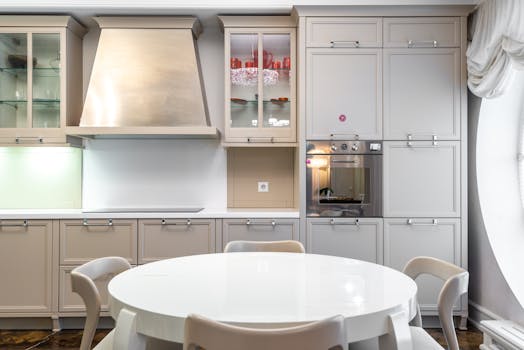
Getting a Number You Can Compare
Start by taking real measurements of the room, not the cabinet run. Note the window positions, the ceiling height and where the plumbing sits. Then price both routes against the same layout and the same finish level. Windsor Materials and Retail Supply provides free custom quotes for kitchen cabinets, quartz countertops, vanities, closet systems and flooring, so you can see what a plywood box with soft-close hardware and a lifetime warranty costs for your actual room.
The right answer is usually the one that matches the building, not the one that wins on the brochure. If the stock box fits, upgrade the fronts and enjoy the savings. If the room fights the grid, or the cabinets face moisture every day, build the box to suit the house.
Frequently Asked Questions
Can I put custom doors on IKEA Sektion cabinets?
Yes, this is a common approach. Fronts are sold separately from the boxes in the Sektion system, and several suppliers make doors and drawer fronts sized for those cabinet boxes. It is a sensible option when the boxes fit the room well and the main goal is a more distinctive look.
Is plywood better than particleboard for kitchen cabinets?
For cabinet boxes, plywood generally holds fasteners better and handles moisture swings with more stability, which matters near sinks, dishwashers and exterior doors. Engineered panels can perform well in dry, standard conditions. The right choice depends on where the cabinets sit and how long you plan to keep them.
Do custom cabinets take longer to get than flat-pack cabinets?
Usually, yes. Flat-pack systems can often be taken home or delivered within days, while custom boxes are built after the design is finalised. The extra time buys a cabinet cut to your room. Plan the countertop template and installation dates around that lead time rather than the other way around.
Will custom cabinets cost more than upgrading IKEA fronts?
In most cases, yes. Custom fronts are a finish upgrade applied to boxes you already own or plan to buy, while custom boxes replace the structure itself. Whether the difference is worth it depends on your layout and moisture exposure. Ask for both quotes against the same plan before deciding.